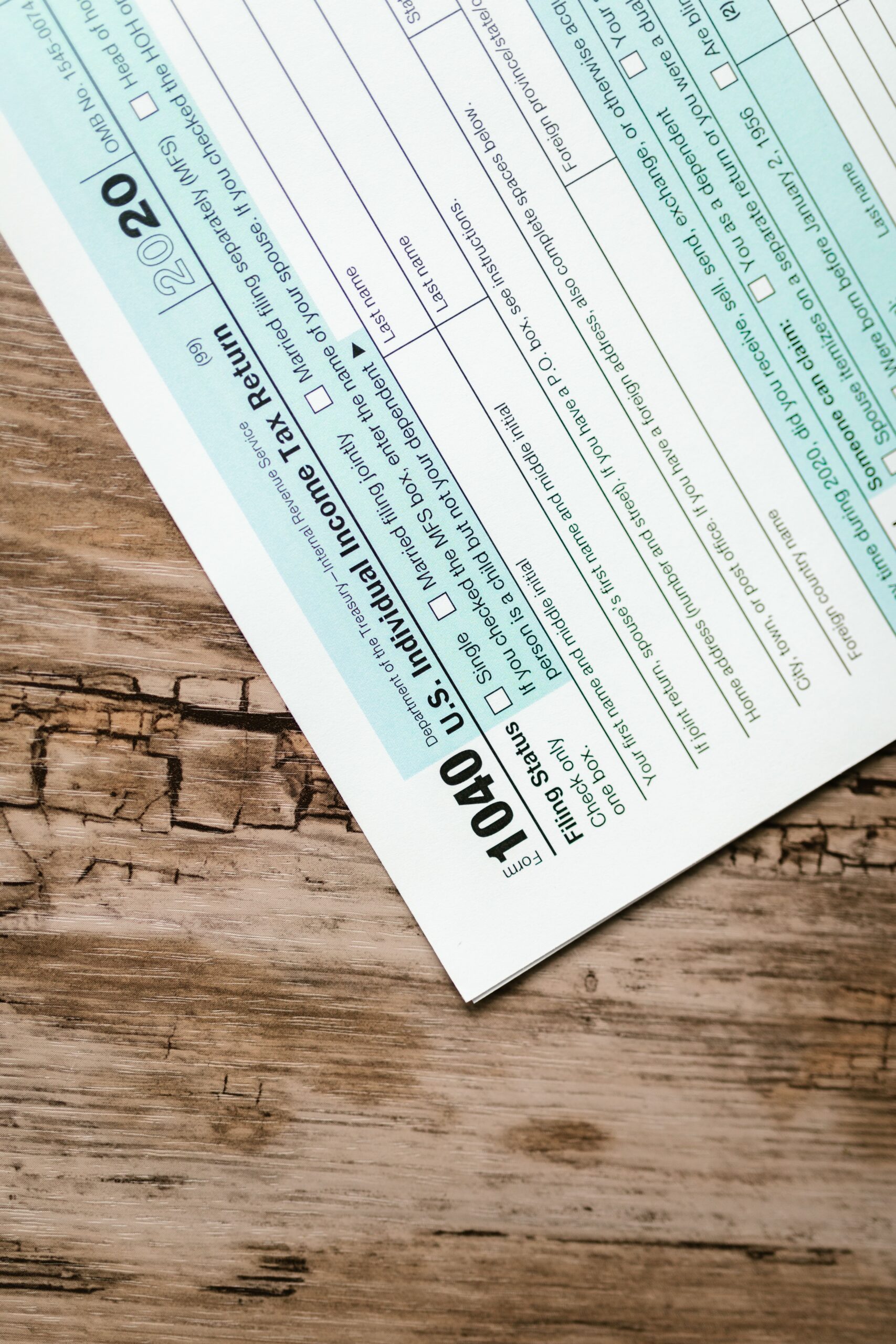
Marin Property Taxes 2026–27: Due Dates, Penalties and the Supplemental Bill New Buyers Miss
By Melissa DiVita, REALTOR®, Compass · DRE #01387955 · Fourth-generation Marin native, in real estate since 2003 · November 2026
The short answer: Marin County property taxes are paid in two installments. The first is due November 1 and becomes late after 5 p.m. on Thursday, December 10, 2026. The second is due February 1 and becomes late after 5 p.m. on April 10, 2027. Miss either one and the county adds a 10% penalty, plus $20 on the second. If you bought a home this year, also watch for a separate supplemental tax bill, which your lender usually won’t pay for you.
Property taxes are one of the biggest costs of owning in Marin, and the billing confuses almost everyone the first time. Here’s how it works, what each payment actually covers, and what happens if you’re late.
2026–27 Marin property tax dates
| Installment | Covers | Due | Late after | Penalty if late |
|---|---|---|---|---|
| First | July 1 – December 31, 2026 | November 1, 2026 | 5 p.m., Thursday, December 10, 2026 | 10% |
| Second | January 1 – June 30, 2027 | February 1, 2027 | 5 p.m., April 10, 2027* | 10% plus $20 |
| Still unpaid | — | — | 5 p.m., June 30, 2027 | Tax default: 1.5% a month plus a $15 fee |
*April 10, 2027 falls on a Saturday. In California, a tax deadline that falls on a weekend or holiday generally moves to the next business day, but check the date printed on your bill or with the Marin County Tax Collector. You can pay both installments together any time before December 10.
What each payment actually pays for
California’s property tax year runs July 1 to June 30. Each installment pays for half of it. The first installment pays for July through December, and you pay it in November or early December, so you’re paying for months that have mostly already passed. The second installment pays for January through June, and you pay it by April.
That matters when you buy or sell. Escrow splits the year’s taxes between buyer and seller based on the closing date. If the seller already paid the first installment and you close in October, you’ll reimburse the seller for the months you own the house. If it hasn’t been paid yet, the seller credits you for their share and the bill becomes yours to pay.
The penalties, in real dollars
The 10% penalty sounds small until you see it on a Marin tax bill. On a $2 million home, at roughly 1.1% plus parcel taxes, the annual bill is around $22,000, so each installment is about $11,000.
- First installment late: about $1,100 in penalties, added the moment the clock passes 5 p.m. on December 10.
- Second installment late: another $1,100 or so, plus a $20 fee.
- Still unpaid on June 30: the property is “tax-defaulted.” From then on, the county adds 1.5% a month on the unpaid tax plus a $15 redemption fee. After five years in default, the county can sell the property.
Your bill will show the exact numbers. Marin tax rates differ by town and district, generally around 1.1% to 1.25% of assessed value plus local parcel taxes.
Can you get a penalty waived?
Sometimes, but don’t count on it. The Tax Collector can cancel penalties only when state law allows, mainly when something beyond your control kept you from paying despite reasonable care, or when the county mailed your bill to the wrong address. You have to pay the tax and penalty first, then ask in writing with documentation.
Marin County lists reasons that are commonly denied: not receiving the bill, a history of paying on time, forgetting, confusion about the amount, being out of the country, and a bank or mortgage company’s error. Also, if you mail a check, the county goes by the U.S. Postal Service postmark, not a postage-meter date, so mail it early or pay online.
If your taxes are impounded, December isn’t your problem
Many Marin homeowners never see a property tax due date. If your mortgage has an impound account, also called an escrow account, your lender collects about one-twelfth of your yearly property tax and homeowners insurance with each monthly payment. Then it pays the installments for you, on time.
For a lot of buyers, that’s a real benefit. Instead of setting aside $11,000 for December and another $11,000 for April, you pay a steady amount each month, and the tax bill takes care of itself. If you’d rather not think about property taxes at all, ask your lender about an impound account when you apply.
- You’ll fund it at closing. Expect to put a few months of taxes and insurance into the account up front.
- Your payment can change once a year. Your lender reviews the account annually and adjusts your monthly payment if taxes or insurance went up.
- Some loans require one; on others it’s optional. Ask your lender how it works for your loan.
- It usually doesn’t cover the supplemental bill. More on that next.
The bill new buyers miss: supplemental taxes
When you buy a home in California, the county reassesses it at your purchase price as of the first day of the next month. Your regular tax bill for this year is still based on the seller’s old assessed value, which in Marin can be far below today’s price thanks to Proposition 13. So the county sends a separate supplemental tax bill to catch up on the difference for the rest of the tax year.
Here’s a simple example. Say you buy a home for $2 million on November 15, 2026, and the seller’s assessed value was $700,000. The new assessment is $1.3 million higher. At roughly 1.1%, that’s about $14,300 a year in extra tax. The supplemental bill covers December 1, 2026 through June 30, 2027, seven months, so it would be about $8,300. From the 2027–28 tax year on, your regular bill reflects your purchase price.
What to know about supplemental bills:
- They arrive months after closing. The Assessor usually sends a notice of the new value first, then the bill.
- Your lender usually won’t pay it. Marin County says lenders “do not usually pay” supplemental bills, even if your regular taxes come out of an impound account. It’s on you. My husband Michael, a mortgage broker, says this catches his clients all the time: they assume the lender has it covered, and the supplemental bill sits unpaid until the penalty hits.
- The due dates depend on when it’s mailed. If it’s mailed July through October, it follows the regular December 10 and April 10 deadlines. If it’s mailed November through June, the first installment is late after the last day of the month after it was mailed, and the second is late four months after that. Read the dates on the bill.
- The same penalties apply: 10% on the first installment, 10% plus $20 on the second.
- Buy between January 1 and May 31 and you’ll get two supplemental bills, one for the rest of the current tax year and one for the next.
- If the new value is lower, which is rare in Marin, you get a refund instead.
My advice to buyers: set the money aside at closing so the bill isn’t a surprise. My husband Michael, a mortgage broker, wrote about how Proposition 13 and reassessment work for buyers (disclosure below).
New owners: don’t wait for the bill
- You’re responsible even if the bill never reaches you. Marin County is clear that not receiving a bill doesn’t excuse penalties. If you bought recently, the bill may still be addressed to the seller. Look up your parcel on the county’s website and pay from there.
- Check whether your lender pays it. If you have an impound account, your lender pays the regular installments. Confirm it, and remember the supplemental bill is usually yours.
- File for the homeowners’ exemption. If it’s your primary home, the exemption takes $7,000 off your assessed value, which saves about $70 a year. File with the Marin County Assessor by February 15 to get the full exemption for that year. If you bought this year, you can also claim it on your supplemental bill; file within 30 days of the Assessor’s supplemental notice to get it in full.
Quick answers
When are Marin County property taxes due in 2026–27?
The first installment is due November 1 and becomes late after 5 p.m. on December 10, 2026. The second is due February 1 and becomes late after 5 p.m. on April 10, 2027. Because April 10, 2027 is a Saturday, check your bill for the exact date.
What is the penalty for paying Marin property taxes late?
10% of the installment if the first is late, and 10% plus $20 if the second is late. If taxes are still unpaid after June 30, the property becomes tax-defaulted and the county adds 1.5% a month plus a $15 redemption fee.
What period does each property tax installment cover?
California’s tax year runs July 1 to June 30. The first installment, paid by December 10, covers July through December. The second, paid by April 10, covers January through June.
What is a supplemental property tax bill?
A separate bill sent after you buy a home, for the difference between the seller’s old assessed value and your purchase price, prorated from the month after closing to June 30. Lenders usually don’t pay it from impound accounts, so new owners need to pay it themselves.
Sources
- Marin County Tax Collector: property tax FAQs
- Marin County: property tax penalties and late payments
- Marin County: 2026–2027 secured property tax information
- California Revenue and Taxation Code §75.52: supplemental bill due dates
- California Board of Equalization: homeowners’ exemption
- BOE: homeowners’ exemption and supplemental assessments
About the author: Melissa DiVita grew up in Belvedere, her family has been in Marin for four generations, and she lives in Tiburon. She has been a REALTOR® since 2003 and works with Compass in Tiburon. This is general information, not tax advice. Check your own bill and talk to your tax advisor.
Disclosure: Michael DiVita, owner of DiVita Home Finance, is my husband. You are free to choose any lender; using DiVita Home Finance is never required, and I receive no referral fee.
Buying in Marin and want a realistic number for taxes? Send me a note. I’ll help you estimate the tax bill on a specific house, including parcel taxes, before you write an offer. You can also try my Marin mortgage calculator.