Disaster Preparedness in Marin: What a Foot of Water in Our Street Taught Us
By Melissa DiVita, REALTOR®, Compass · DRE #01387955 · Fourth-generation Marin native, in real estate since 2003 · November 19, 2026
The short answer: sign up for AlertMarin, know where the county posts storm updates, get sandbags before a storm (not during it), check whether you have flood insurance, and keep a basic kit for floods and power outages. If you live near the Bay, plan for rain and high tide arriving together, because that’s when streets flood, even without a King Tide.
Heads up for Thanksgiving week: the first King Tides of the winter are Tuesday through Thursday, November 24–26. The highest of the three is Wednesday, November 25, about 7.0 feet at 10:49 a.m. at the San Francisco gauge, and Thanksgiving Day peaks around 11:38 a.m. Bay-side water comes a little later. If you’re hosting near the water, move cars to higher ground before the peak, have sandbags in place the night before, and tell guests to arrive after the tide goes down. If rain shows up in the forecast for those mornings, take it seriously. Most of all, be safe: stay out of floodwater, don’t drive through it, and keep children and pets away from the edge. No holiday plan is worth the risk.
Yesterday was a wake-up call
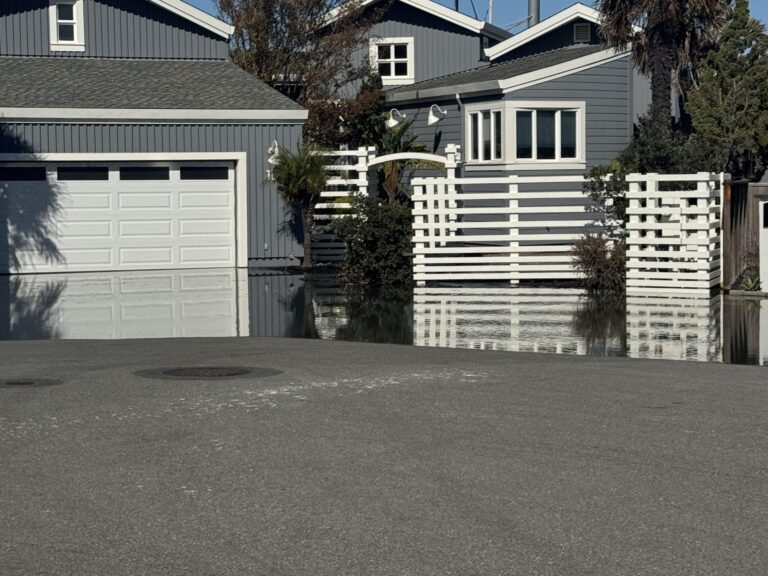
Wednesday, November 18, was a crazy day of weather. We live on the water in Tiburon, and the morning brought a high tide and torrential rain at the same time. The storm drains backed up with Bay water, so the rain had nowhere to go. Luckily the tide started to go down, but by then there was a foot of water in our street.
It was scary, and it wasn’t even a King Tide. I wasn’t expecting our street to flood that day.
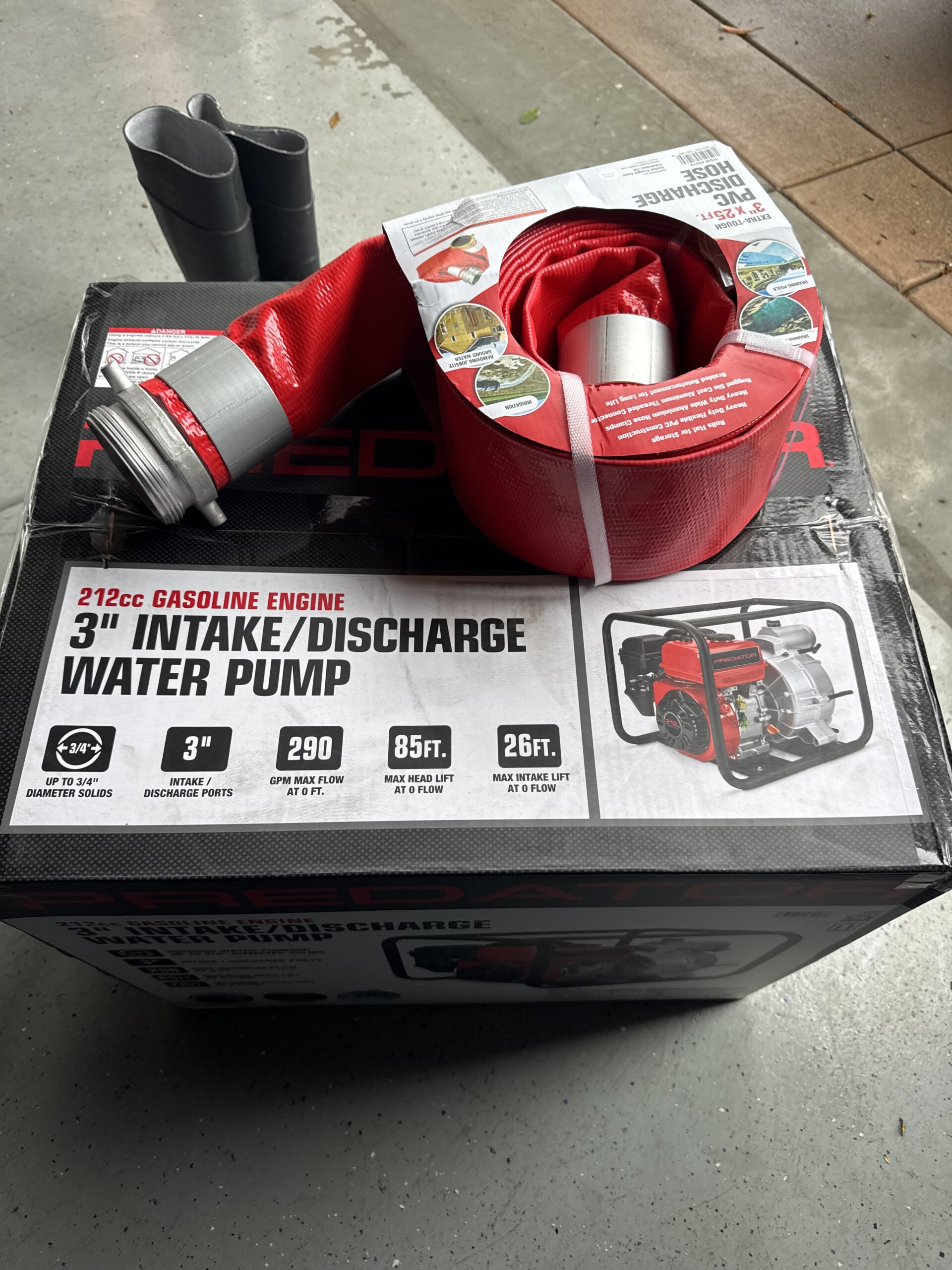
So we bought a gas-powered pump with enough hose to move rainwater out of the street. We didn’t end up needing it this time, but if the rain had been heavier or the tide a little higher, we would have. Now it’s in the garage, ready for next time. That’s really what this post is about: being prepared for the thing you weren’t expecting.
We weren’t the only ones. The National Weather Service had a flood advisory over Marin that morning, and the county had a coastal flood advisory for the bayside of Marin through November 19. Police closed streets near the shoreline in Larkspur and Corte Madera, including Seawolf Passage and Golden Hind Passage off Paradise Drive, and the Highway 101 ramp to Highway 1 near Strawberry flooded. And the first King Tides of the winter are still ahead, Tuesday through Thanksgiving, November 24–26. I wrote about those dates, and which streets flood first, in my King Tides and El Niño guide.
Step 1: Sign up for alerts (five minutes, today)
- AlertMarin is the county’s official emergency alert system. It sends calls, texts and emails about evacuations, shelter-in-place orders and other urgent instructions for the addresses you register. Sign up at Emergency.MarinCounty.gov. You can add up to five locations, so include your children’s schools and your office.
- Set alerts to ring through Do Not Disturb. The county recommends it. An alert you sleep through doesn’t help.
- Mill Valley still uses Nixle for city alerts. Text your ZIP code to 888777.
- Bookmark the county’s emergency portal at Emergency.MarinCounty.gov. It’s the official source for current advisories, road closures, evacuations and shelters.
Step 2: Know where to look during a storm
- Rainfall and creek levels: Marin’s real-time rain gauges are at marin.onerain.com.
- Tide times: NOAA’s tide predictions. If rain is forecast near a high tide, that’s your warning sign.
- Roads: 511.org, plus @MarinDPW, @MarinSheriff and @CHPMarin on X.
- Non-emergency flooding or road problems: Marin County Public Works, (415) 473-6530. For anything life-threatening, call 911.
Step 3: Get flood-ready before the storm
- Buy sandbags now. The county has free sandbag sites, but it recommends buying your own ahead of a storm because supplies can run out and some sites limit how many you can take. Bring your own shovel. Locations are on the county’s sandbag page.
- Clear gutters, downspouts and the storm drain in front of your house. A drain blocked by leaves floods a street faster than a high tide.
- Get things off the garage floor. It’s usually the first place water comes in.
- Consider a pump if you’re on low ground. Ours is gas-powered with a long hose. If you buy one, run it only outdoors, never in a garage or near open windows, because the exhaust is deadly carbon monoxide. Before you pump water off a street, check with your town or homeowners association about where it can go.
- Check your flood insurance. Regular homeowners policies don’t cover flooding, and a new National Flood Insurance Program policy usually has a 30-day waiting period. My Marin homeowners insurance guide explains how flood coverage works.
Step 4: Be ready for the power to go out
Storms in Marin usually bring wind, and wind brings down trees and power lines. On November 18, PG&E crews were responding to outages across the county.
- Flashlights and a headlamp for each person, with extra batteries. Skip candles.
- A battery pack for phones, and a car charger.
- A battery backup for your sump pump if you have one. Power often goes out in exactly the storm when you need it.
- If you have a generator, the same rule as a pump: outdoors only, well away from doors and windows.
- Know how to open your garage door manually.
- Keep your car’s gas tank at least half full during storm season.
Step 5: A go-bag for bigger emergencies
Floods get the headlines this winter, but in Marin we also live with wildfire and earthquake risk. The same preparation covers all of them. Keep a bag by the door with:
- Water and snacks for a few days, plus any medications
- Copies of IDs, insurance policies and important documents, or photos of them saved in the cloud
- Phone chargers, a flashlight, a small first-aid kit and some cash
- A change of clothes and sturdy shoes
- Supplies for pets
Make a plan with your family too: where you’ll meet if you’re separated, and who outside the Bay Area everyone will check in with. And take a quick video walking through your home now. If you ever need to file an insurance claim, a “before” record makes it much easier.
During a flood
- Move your car to higher ground before the peak. Bay water is salt water, and it’s hard on brakes and wiring.
- Don’t drive or walk through floodwater. It’s often deeper than it looks and can hide debris, open drains and sewage. Don’t drive around barricades.
- Keep children and pets out of it.
- Take photos of the water and any damage, for your records and your insurance.
What this means if you’re buying near the water
I love living on the water, and I wouldn’t trade it. But I also know now, firsthand, that a street can flood on an ordinary high tide when the rain is heavy enough. If you’re looking at a home near the Bay, ask the sellers about past water in the street and the garage, look up the FEMA flood zone, get an insurance quote before you write an offer, and if you can, drive by at high tide in the rain. When I show you a waterfront home, I’ll tell you what I know about how that street handles a storm.
Quick answers
How do I get emergency alerts in Marin County?
Sign up for AlertMarin at Emergency.MarinCounty.gov. It’s the county’s official system for evacuation and other urgent alerts by call, text or email, and you can register up to five addresses. Mill Valley residents can also text their ZIP code to 888777 for Nixle alerts.
Where can I get sandbags in Marin?
Marin County lists free sandbag sites on its emergency website, but it recommends buying sandbags from local retailers before a storm, since free supplies can run out and some sites limit quantities. Bring your own shovel.
Can Marin streets flood without a King Tide?
Yes. When heavy rain arrives at an ordinary high tide, storm drains that empty into the Bay can back up, and low streets near the shoreline flood. That happened in parts of Tiburon, Larkspur and Corte Madera on November 18, 2026.
Does homeowners insurance cover flooding?
No. Standard homeowners policies exclude flood damage. You need a separate flood policy, and a new National Flood Insurance Program policy usually takes 30 days to start.
Sources
- Marin County Office of Emergency Management: Public Emergency Portal
- Marin County: Sign up for AlertMarin
- Marin County: Emergency sandbag locations
- Bay City News via SFGATE: Flooding reported in Corte Madera and Larkspur (November 18, 2026)
- Press Democrat: Heavy rain floods North Bay roads, knocks out power (November 18, 2026)
- FEMA Flood Map Service Center
About the author: Melissa DiVita grew up in Belvedere, her family has been in Marin for four generations, and she lives in Tiburon. She has been a REALTOR® since 2003 and works with Compass in Tiburon. This is general information, not insurance or safety-engineering advice.
Thinking about a home near the water? Send me a note. I’m happy to tell you what I know about how a street handles a storm.